
Sede 2026 - Flores da Cunha
FLORES DA CUNHA MUNICIPALITY
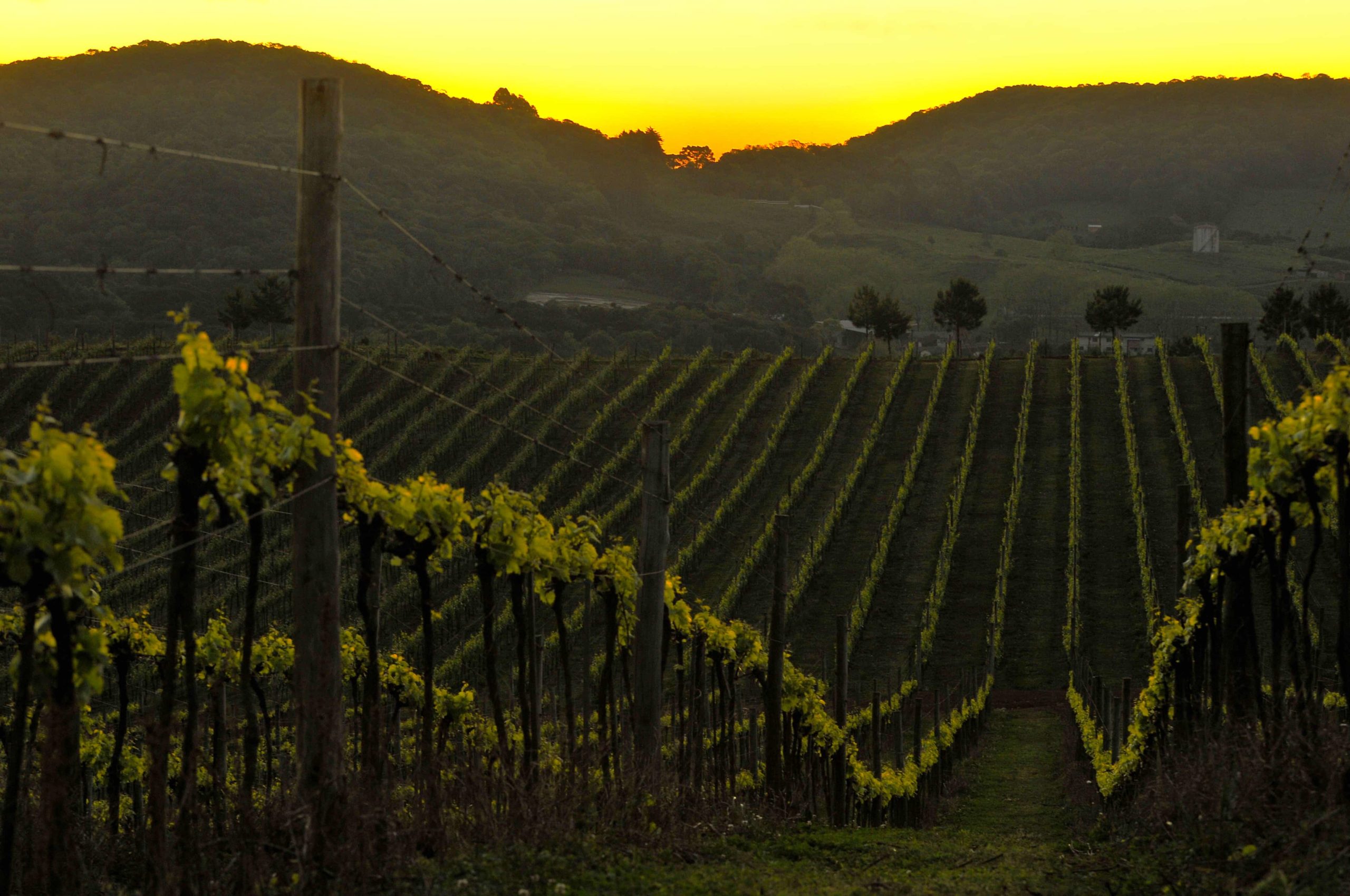
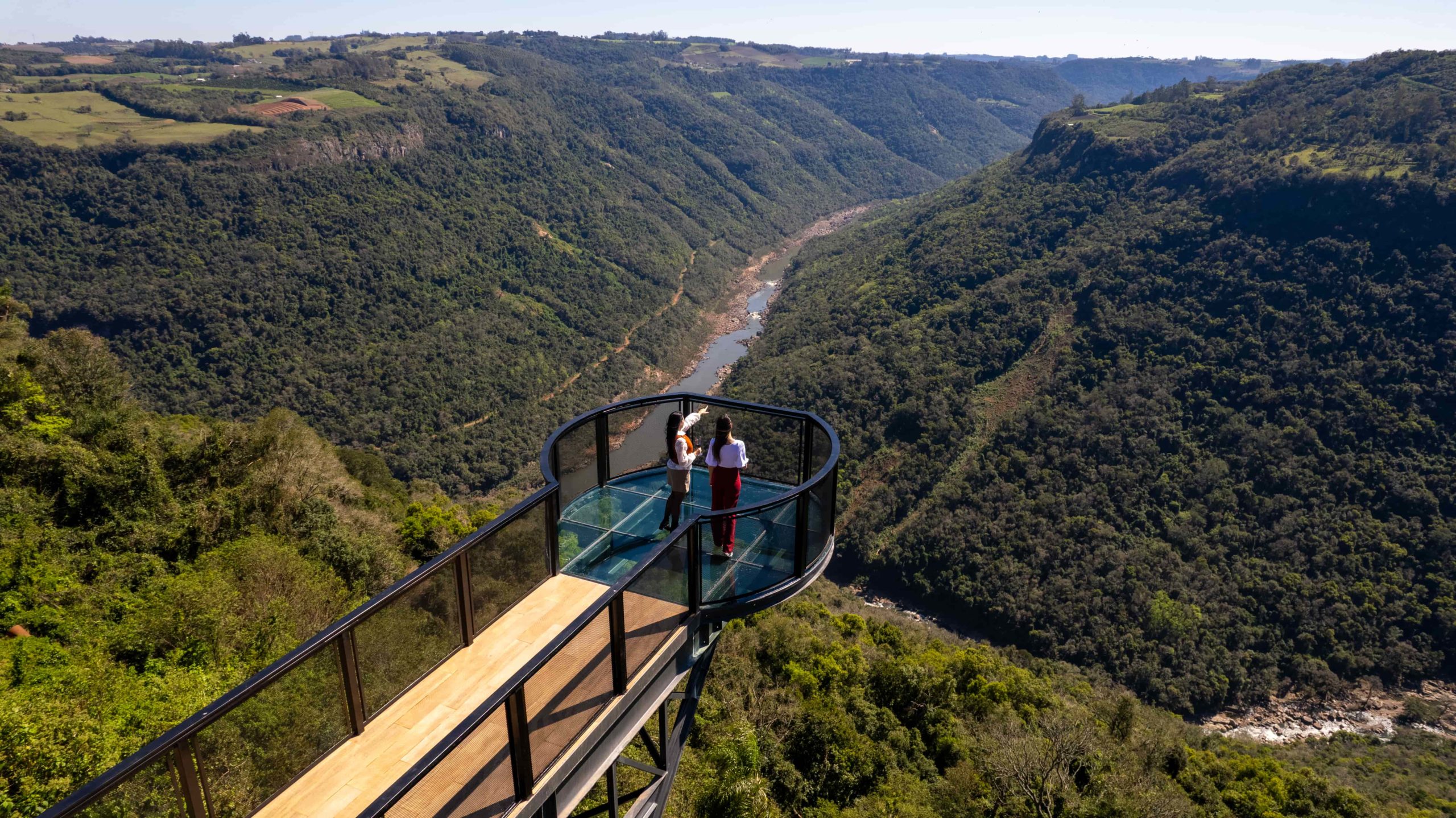
Surrounded by lush natural beauty, cosy squares, churches, towers, waterfalls and the flavours of its abundant cuisine and wines that exude the scent of grapes, Flores da Cunha – once known as Nova Trento – is affectionately called ‘Terra do Galo’. Situated in the Serra Gaúcha, Flores da Cunha lies 150 km from the capital, Porto Alegre, and at an altitude of 710 metres above sea level. Its population is estimated at 127,775.
About the host region
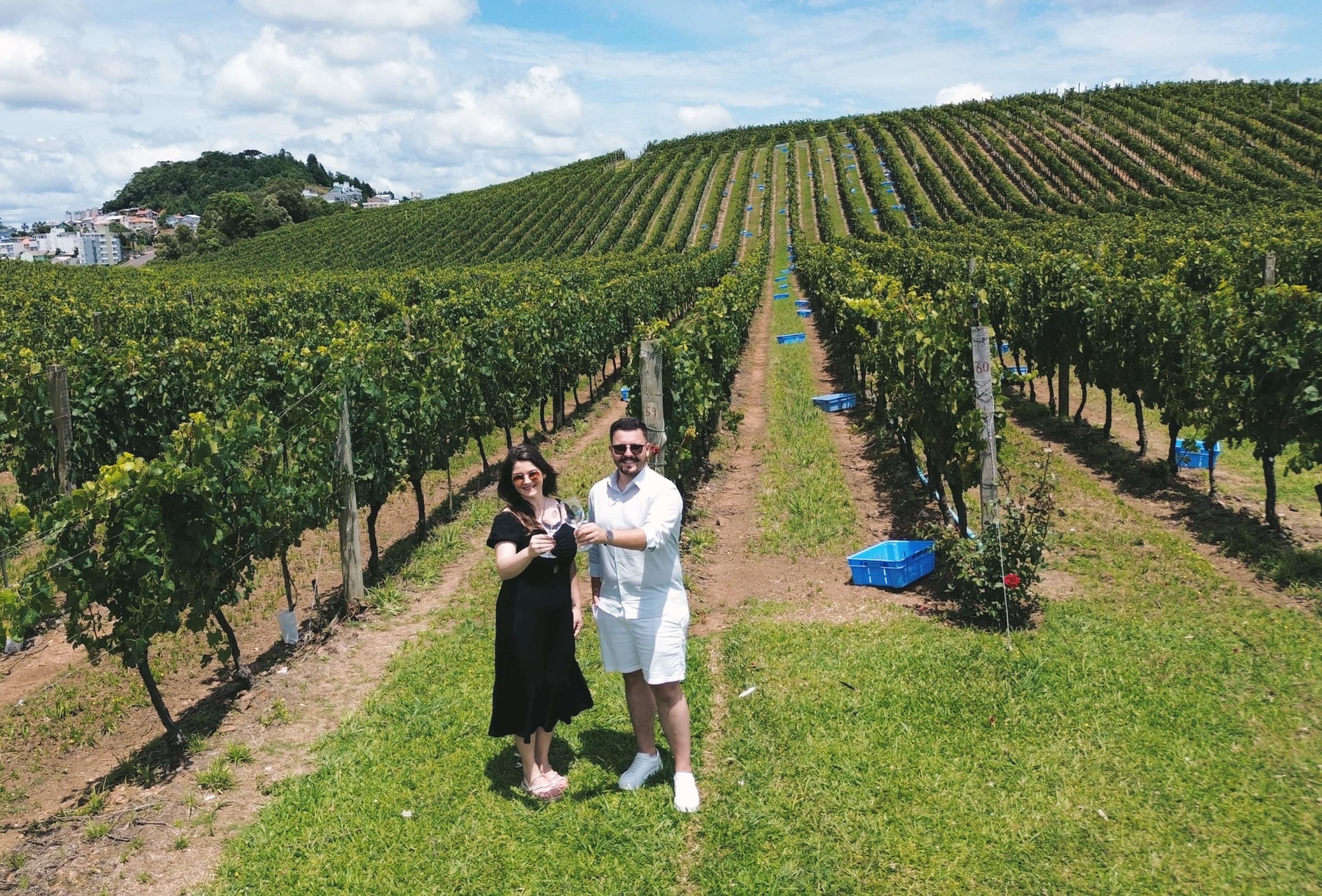
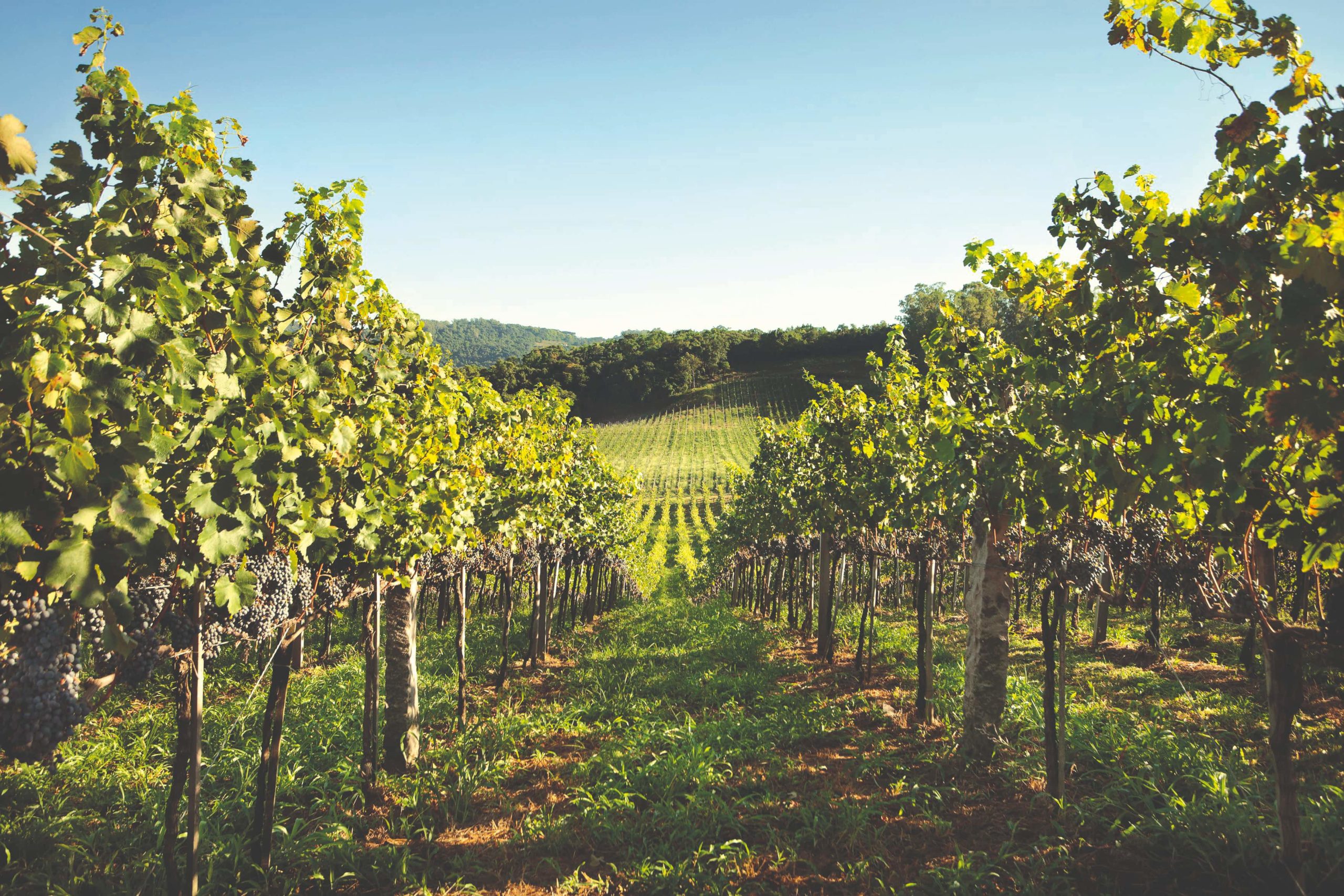
Since 1994, Flores da Cunha has held the title of the country’s largest wine producer. Local production stands at 120 million litres. The municipality is home to around 200 wineries (ranging from small rural wineries to large wine-producing companies).
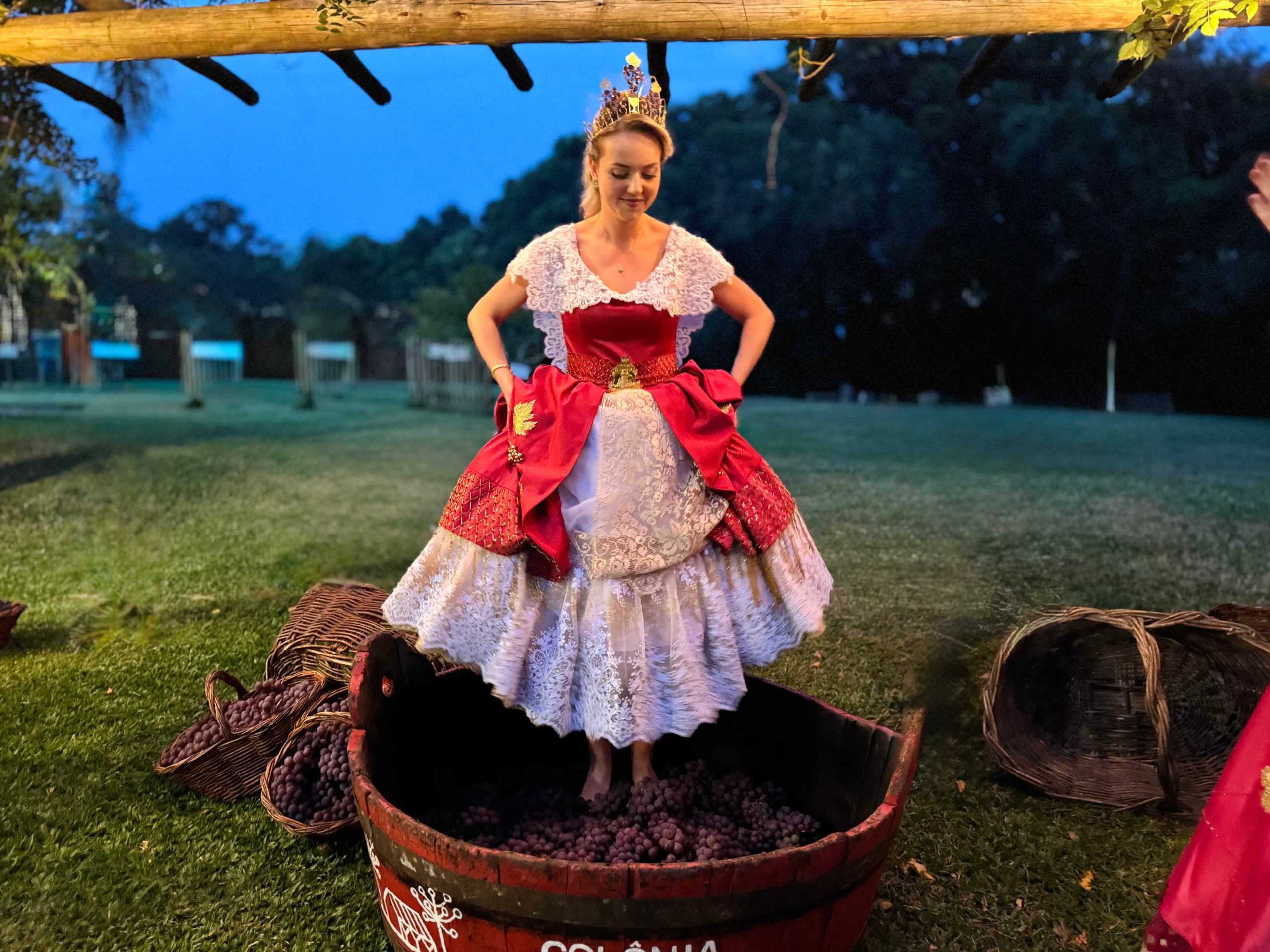
Recognised as the National Capital of the Grape Harvest, Flores da Cunha celebrates the culture of the grape harvest every year, a tradition inherited from Italian immigrants that symbolises work, faith, prosperity and family unity. The grape harvest represents not only the foundation of the local economy, but also the very essence of the municipality’s identity.
The typically European landscape is dotted with Italian architecture, built by the immigrants who arrived here around 1877. The immigrants’ heritage, preserved in the houses and the Venetian dialect to this day, both in the town and the countryside, gives the municipality a welcoming and familiar feel.
As well as the scenery, the sumptuous cuisine, the wines, the knitwear and the cosy furniture are all highlights that help to make tourists feel at home.
Located in the Serra Gaúcha, this town of 30,000 inhabitants is well-suited to providing excellent hospitality. Visiting the ‘Roteiro da Melhor Idade’ (Golden Years Itinerary), the ‘Vales da Serra’ Tourist Route (Antônio Prado, Caxias do Sul, Flores da Cunha, Nova Pádua, Nova Roma do Sul and São Marcos), the Altos Montes Winery Route, the Caminhos da Colônia Tourist Route or the Otávio Rocha Colonial Village means taking in beautiful scenery, sampling traditional Italian dishes, excellent wines and juices, listening to folk songs, and meeting hospitable people and discovering charming places.
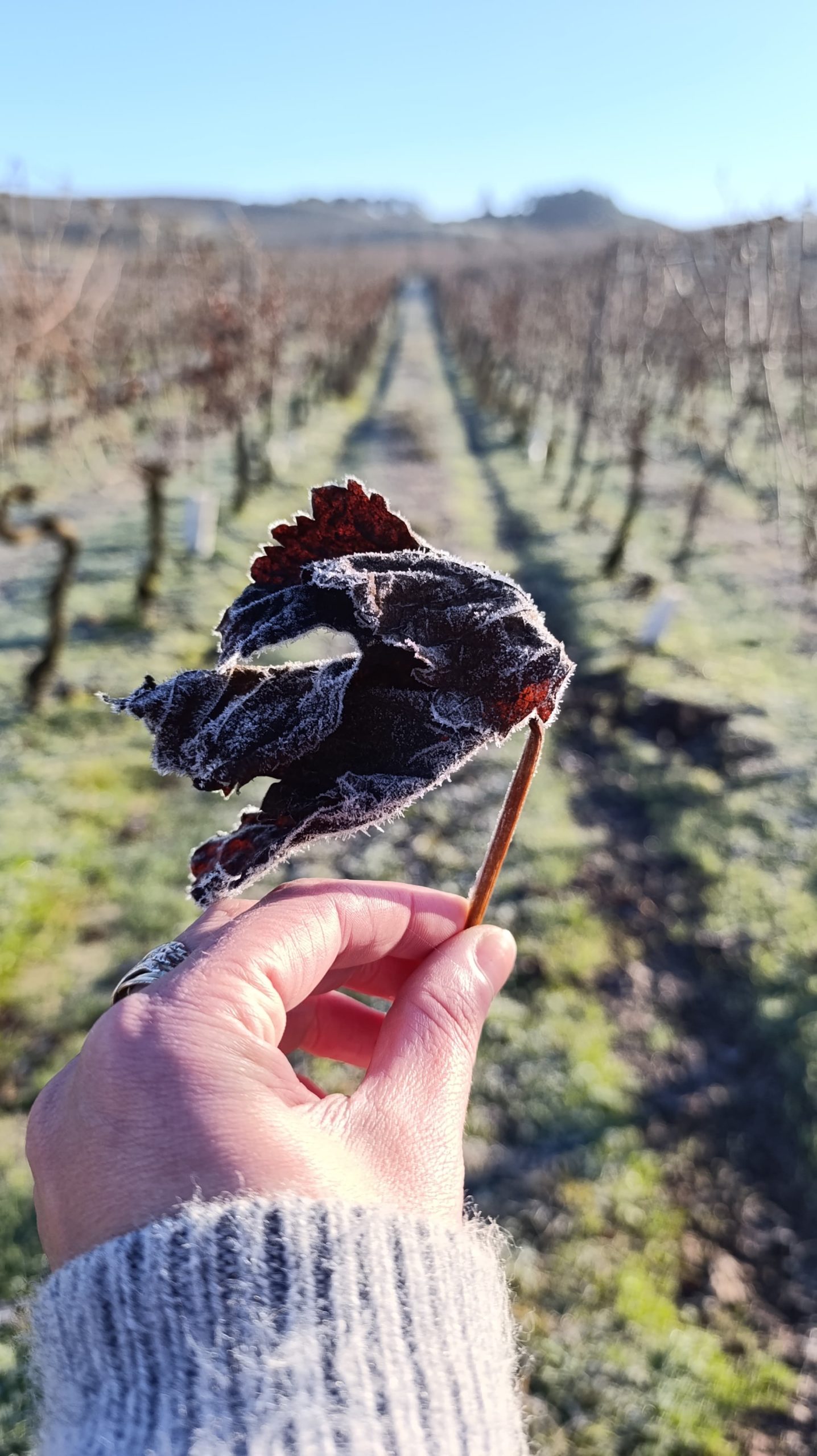
From 1876 onwards, the territory that now makes up the municipality of Flores da Cunha began to be settled by Italian immigrants, mainly from northern Italy. The largest wave of settlers arrived between 1878 and 1890, a period during which the original settlement of São Pedro was founded, followed by that of São José; together, around 1885, these formed the town of Nova Trento.
Among the characteristics that define the municipality of Flores da Cunha, the preservation of the knowledge and traditions of the settlers and their descendants is of particular value. The preservation of the ‘Talian’ dialect, the rich culinary traditions, the small and prosperous rural holdings, the deep religious devotion, and the customs and traditions characteristic of those who built the wealth of the north-eastern region of Rio Grande do Sul.
UCS SCHOOL OF GASTRONOMY – DOLCE ITALIA
Opened in 2004 in the municipality of Flores da Cunha (RS), the UCS School of Gastronomy has transformed the food and wine culture in the Serra Gaúcha region. The impact of its work can be seen in various Brazilian cities, where professionals trained in its classrooms and laboratories are now working.
Housed in a building designed to European quality standards, covering an area of over 2,000 square metres, the School boasts state-of-the-art facilities for learning, teaching support and social interaction.
Established with the mission of promoting the culture of taste and Italian gastronomy in Latin America, it benefits from a key partnership with ICIF – the Italian Culinary Institute for Foreigners, which lends international recognition to the advanced training of professionals interested in Italian gastronomy. More recently, the School has expanded its activities, incorporating new areas of gastronomy to meet the growing interest in the field, both professionally and personally.
Its facilities include a practical classroom, a tasting room, an auditorium for demonstrations, a restaurant, a bar, a children’s play area, a bakery and patisserie, a fresh pasta preparation area, a library, a cultural activities room, a social area, changing rooms and a showroom.
Located in a region renowned for its grape and wine culture, the School has also been dedicated to training in the field of oenology since its inception. To this end, it maintains a partnership with ONAV – Organizzazione Nazionale Assaggiatori Vino, promoting continuing professional development in sommellerie.
Focused on training and qualifying professionals of the highest calibre in gastronomy and sommellerie, the UCS School of Gastronomy has established itself as a key player in the teaching of food and wine at undergraduate, continuing education, postgraduate and technical levels, contributing significantly to the development of the field in Brazil.
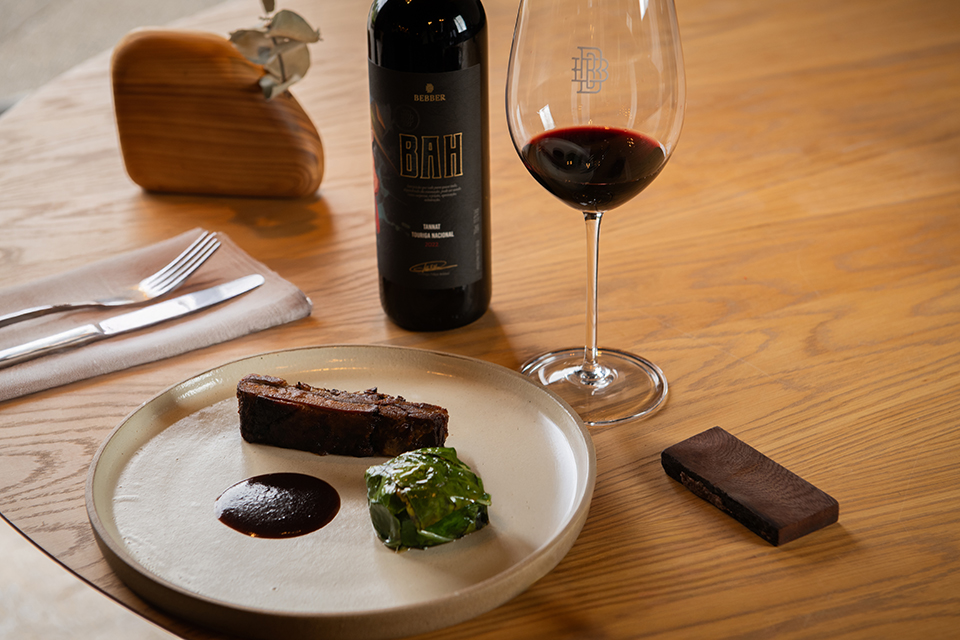
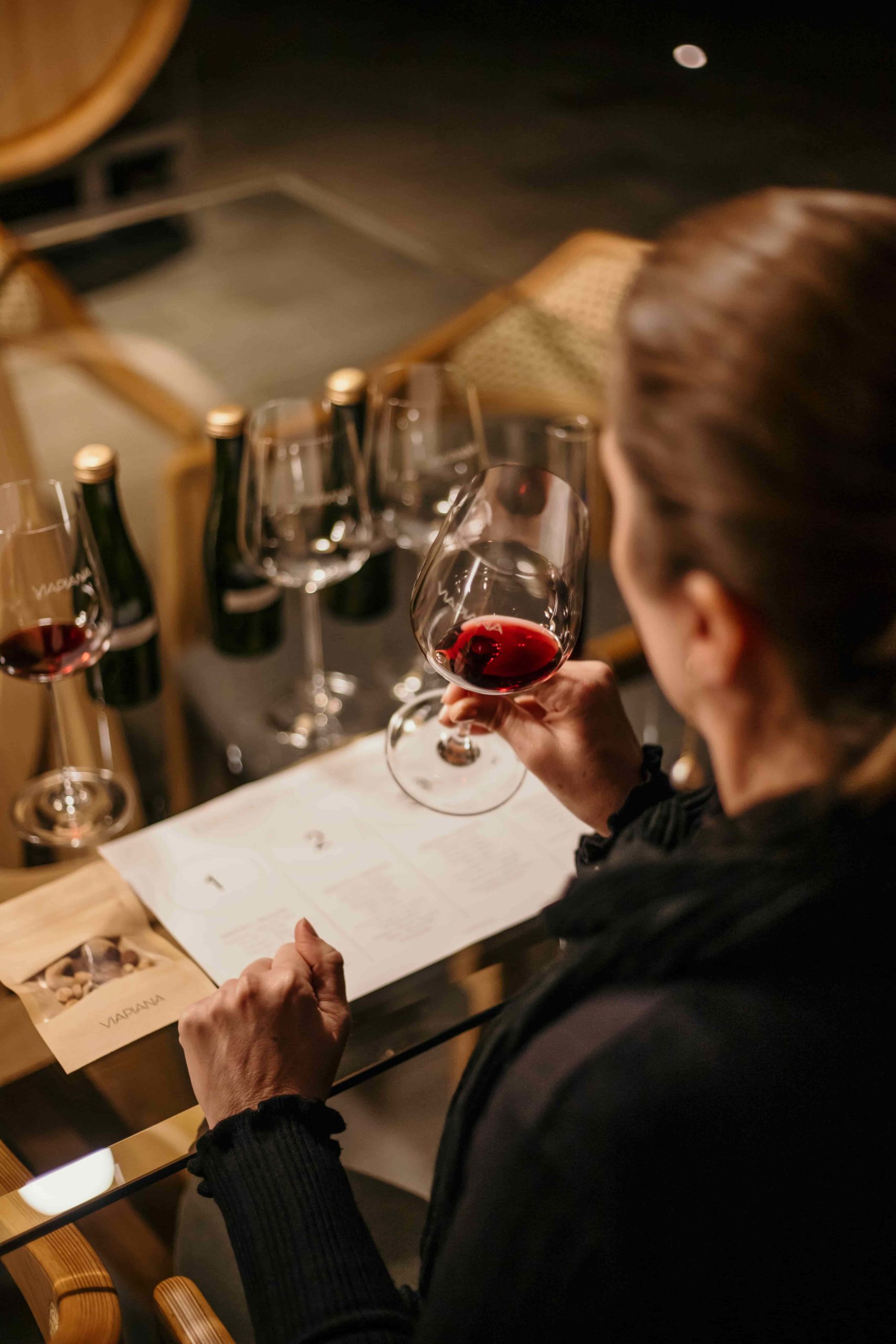
It stands out for the Italian expertise evident in its facilities, equipment and teaching methodology, combined with a teaching staff comprising internationally recognised professionals. Classes take place in teaching laboratories equipped with workbenches, utensils and individual materials, whilst tastings are held in a wine cellar that meets international standards, featuring individual stations, appropriate lighting for visual analysis and specific glasses for each type of wine.
Furthermore, Ristorante Dolce Itália serves as an educational and training venue, where students gain hands-on experience of kitchen and front-of-house operations whilst serving lunch and dinner to the public.
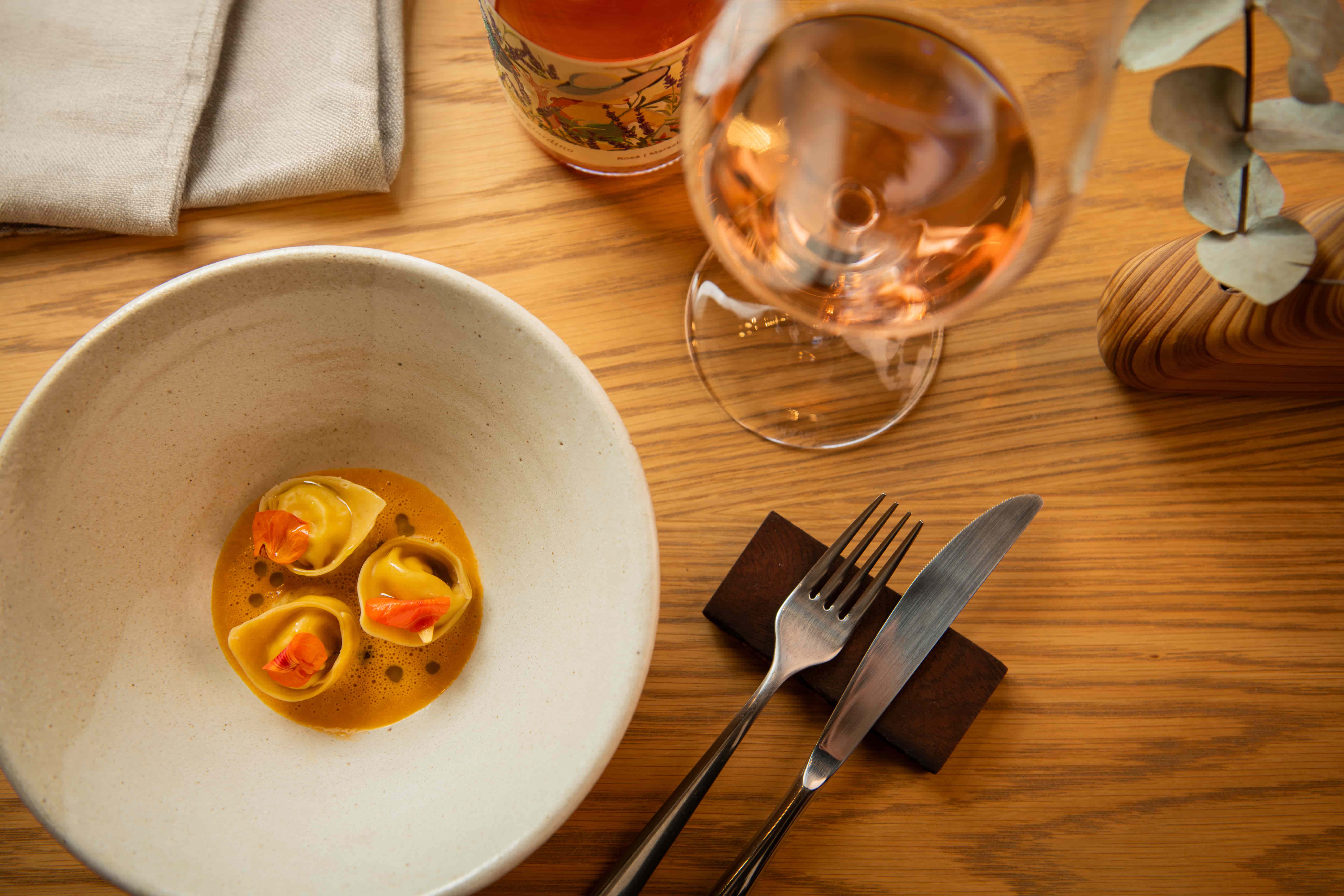
Opened in 2017 alongside the School, the restaurant offers a refined menu that celebrates the diversity and quality of local and seasonal ingredients, with service in keeping with the traditions of Italian cuisine.
HOTEL LETTO – FLORES DA CUNHA
Around 40 years ago, the founder, Flávio Delmese, began building what was to be a geriatric clinic, inspired by his family’s experience with the Delmese Hospital in Caxias do Sul. However, as construction progressed, the idea arose to change the direction of the project and transform the development into a hotel.
Thus, the Hotel Villa Borghese was born – an imposing hotel whose facilities soon stood out amongst the best in the Serra Gaúcha. With its classical architecture and décor paying homage to Italian immigration, its fireplaces – crafted from ship’s boilers and featuring an artistic touch by a local craftsman from Flores da Cunha – became its trademark. The hotel quickly gained a reputation, attracting guests from both the region and from outside the state.
A few years later, the hotel was sold to a family from Porto Alegre, who made substantial investments, expanding the premises with a modern wing and further enhancing the comfort and quality of the services on offer.
The Letto Hotel Flores da Cunha is currently undergoing constant refurbishment and modernisation. Despite these innovations, the brand continues to cherish its tradition and the classic features that have shaped its history, remaining one of the leading names in hospitality in the Serra Gaúcha.
Join the competition
Registering online is the easiest way to enter your wines. Our team will guide you through the registration process.